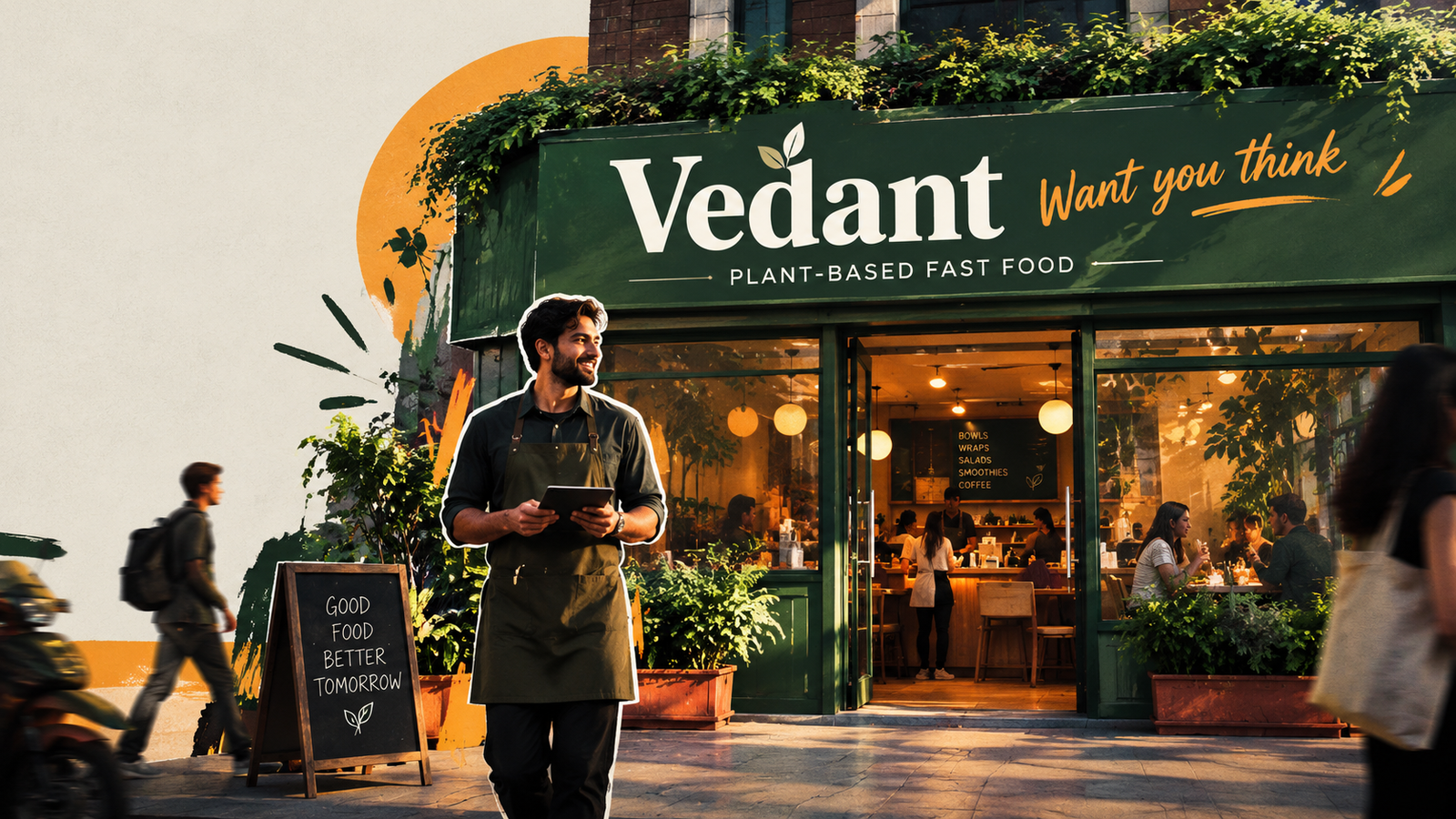
VEDANT – From One Small Idea to a Place Everyone Knows
01 – The dream – An idea nobody believes in.
02 – The first step – Small kitchen, limited savings, future.
03 – The struggle – Empty tables, rising costs, self-doubt.
04 – The lowest point – The possibility of closing the store.
05 – The turning point – Approach and changes.
06 – The rise – Returning customers, operations, trust.
07 – The highest point – business become part of people’s lives.
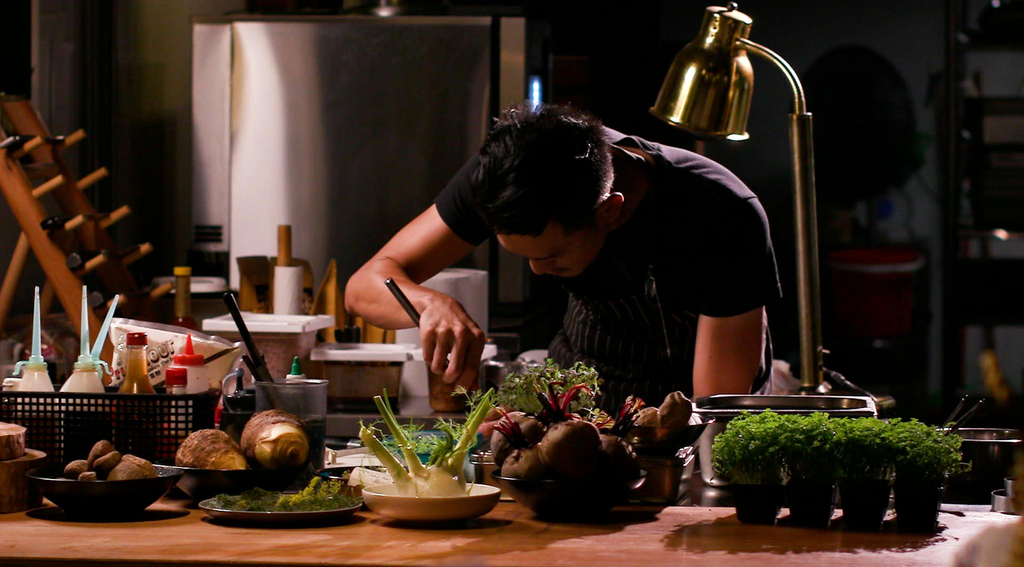
THE BEGINNING
— THE DREAM BEFORE THE STORE
- The setting: Mumbai. A crowded street, endless traffic, people rushing past one another. Everyone is busy, but nobody seems to have time to breathe.
- The protagonist: Vedant, a young man who believes food can be more than something people eat. It can be an experience, a habit, and a reason to come together.
- The inspiration: He notices that people want quick, affordable meals but are increasingly thinking about their health and the environment.
- The idea: What if fast food could be fresh, plant-based, full of flavour, and served with genuine care?
- The first obstacle: Everyone tells him the same thing: “Healthy food? In a fast-food business? Who is going to pay for that?”
“I don’t want to open another restaurant. I want to build a place people feel good about coming back to.”
— THE FIRST STEP
- Vedant doesn’t begin with a fancy storefront or a big investor.
- He starts small: researching recipes, visiting markets, comparing ingredient prices, and experimenting in a modest kitchen.
- He spends nights testing flavours and mornings calculating costs.
- His first menu has only a few items: fresh bowls, wraps, sandwiches, and smoothies.
- He uses his savings to buy essential equipment and ingredients, keeping the dream alive without spending beyond his means.
The first lesson: A business doesn’t begin when the doors open. It begins when someone decides to take responsibility for an idea.
— THE DOORS OPEN
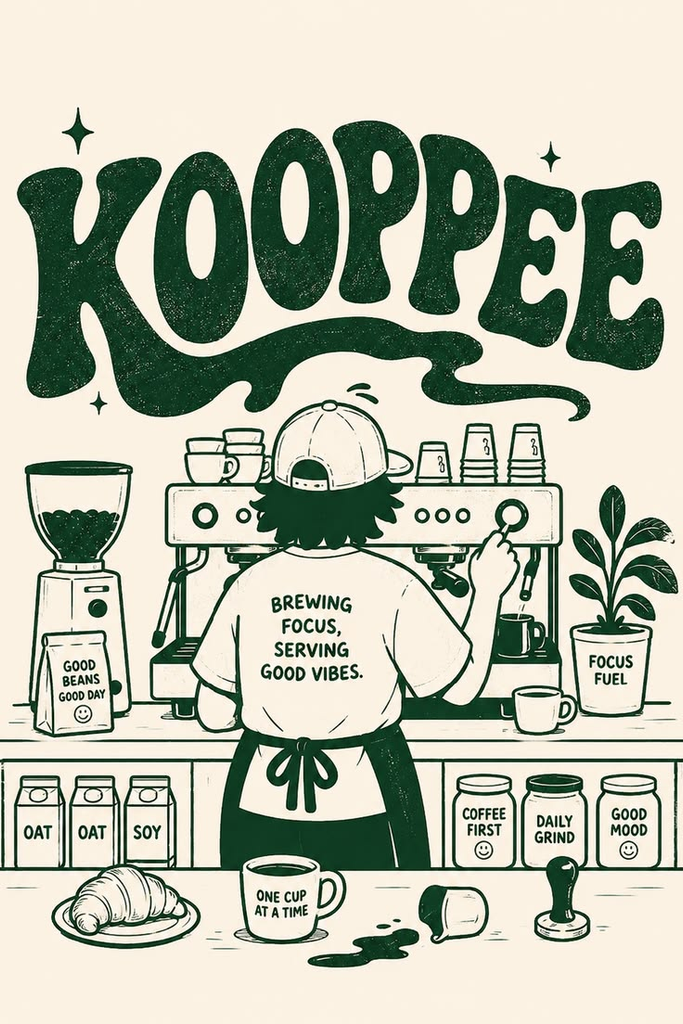
- After months of preparation, Vedant finally opens his small plant-based fast-food store.
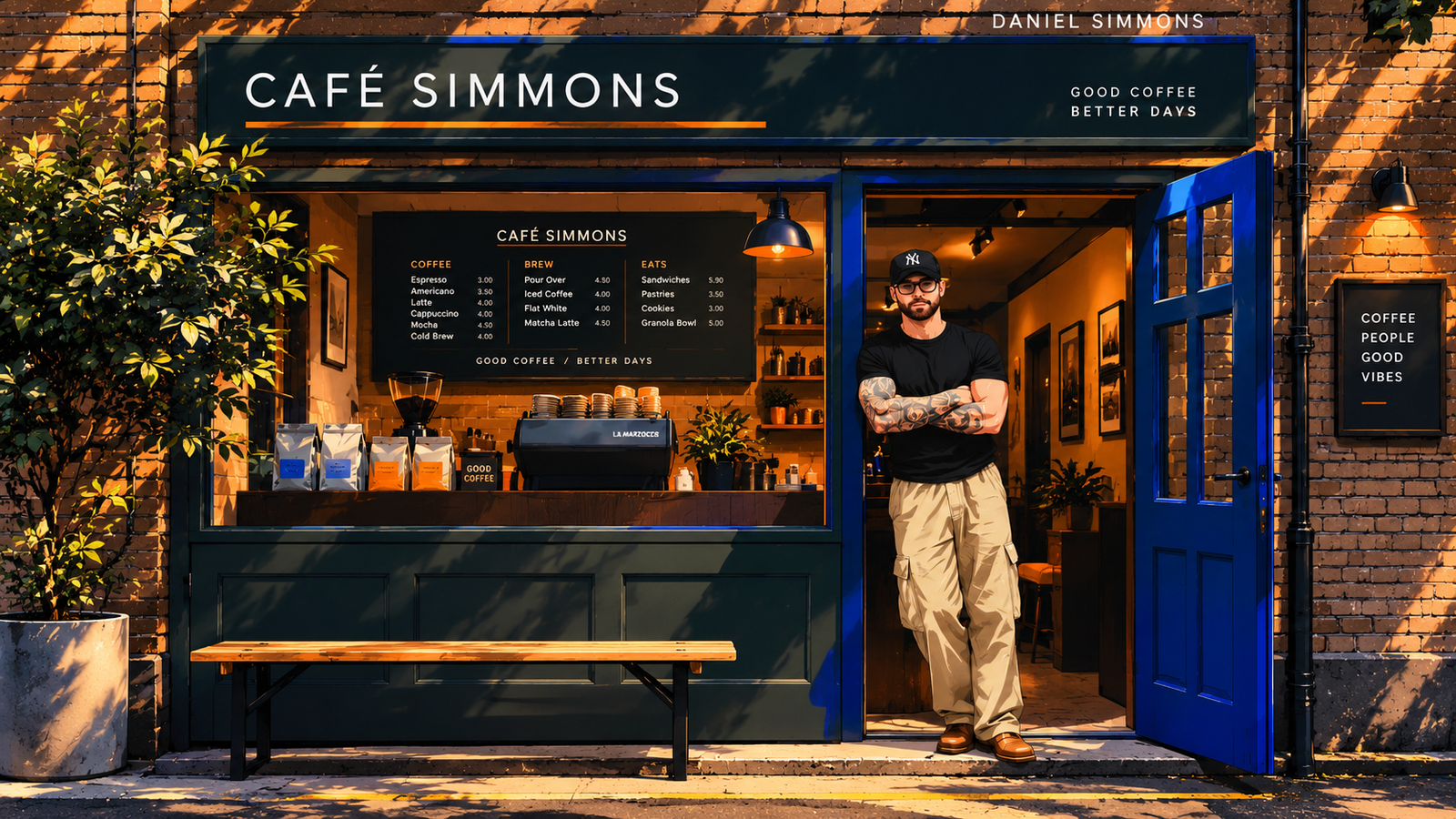
- The green storefront looks beautiful. The menu is ready. The lights are on.
- On the first day, he expects a crowd.
- Instead, a few people walk in, glance at the menu, and leave.
- By closing time, the excitement has been replaced by silence.
The store looks successful from the outside. Inside, Vedant is wondering whether he has made a terrible mistake.
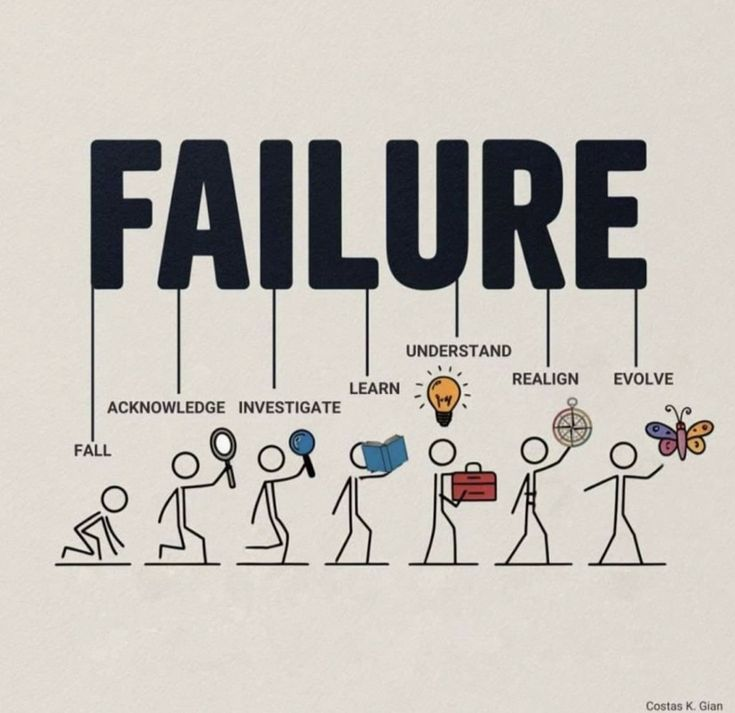
— THE FIRST FAILURE
- The first few weeks are difficult. Rent, electricity, ingredients, salaries, and packaging keep costing money.
- Customers compare his prices with ordinary fast food.
- Some try the food but never return. Others don’t understand what plant-based food really means.
- Ingredients sometimes go to waste because he cannot predict demand.
- His savings begin to shrink, and the people who once encouraged him start asking when the business will become profitable.
The lowest point: One rainy evening, Vedant sits alone inside the empty restaurant, looking at the day’s sales.
He has worked harder than ever, yet the business is barely surviving.
“Maybe the idea wasn’t wrong. Maybe I just haven’t learned how to make people believe in it yet.”
— THE TURNING POINT
- Instead of closing the store, Vedant stops guessing and starts listening.
- He asks customers why they come, what they like, what they can afford, and what would make them return.
- He discovers that customers don’t want a lecture about healthy eating. They want delicious food, fair prices, quick service, and a welcoming experience.
- He simplifies the menu, improves his best-selling recipes, reduces waste, and introduces affordable meal combinations.
- He creates a small loyalty offer for returning customers and begins sharing real videos of the food and kitchen online.
Then something changes.
A regular customer brings a friend. A nearby office places a lunch order. Someone posts a picture of a meal online. A family returns the following weekend.
Nothing happens overnight. But, for the first time, customers begin bringing other customers.
— THE FIRST REAL WIN

- A small office places a recurring lunch order.
- Weekend footfall begins to improve.
- Customers recognise Vedant by name.
- A family celebrates a special occasion at the store and recommends it to others.
- The restaurant starts earning enough to cover its regular expenses more consistently.
For the first time, Vedant isn’t simply selling meals. He’s building relationships.
His biggest achievement isn’t a record-breaking sales day. It’s seeing the same customers return without being asked.
— THE BUSINESS BECOMES A BRAND
- Vedant reinvests carefully in better equipment, staff training, packaging, and presentation.
- He introduces seasonal dishes and a few signature combinations.
- He improves his online presence, making the menu, location, opening hours, and contact details easy to find.
- His team learns that every customer interaction matters as much as the food.
- The green storefront becomes recognisable in the neighbourhood.
The business that once struggled to attract its first customers now has people walking in because someone recommended it.
— THE HIGHEST POINT
One evening, Vedant stands outside the store after a long day.
The tables are occupied. The kitchen is busy. His team is laughing between orders. A customer who visited during the difficult early days walks in again.
Vedant recognises them.
They smile and say:
“We’ve been coming here since the beginning. Look how far you’ve come.”
For a moment, Vedant says nothing.
He remembers the empty tables, the wasted ingredients, the sleepless nights, and the fear of running out of money.
Now he has a team, loyal customers, a growing reputation, and a business with a future.
His highest point isn’t the busiest evening. It’s the moment he realises the business can stand on its own.
— THE CURRENT STATUS
- Vedant has grown from a small idea into a neighbourhood favourite.
- The store has a more stable customer base and a better understanding of its operating costs.
- Returning customers and word-of-mouth recommendations contribute to its growth.
- The team continues to improve the menu and customer experience.
- Vedant is considering its next chapter: catering, delivery partnerships, or eventually opening another location.
But he refuses to expand just to look successful.
He wants the first store to remain strong before building the second.
Vedant’s story is not about a man who never failed. It’s about a man who learned to recognise the difference between an idea that needs to be abandoned and an idea that needs to be improved. He started with a belief. He survived by listening. He grew by adapting. And he earned trust by showing up, day after day. The storefront is no longer just a place where food is sold.
It represents the people who took a chance on him, the customers who returned, and the small decisions that slowly became something bigger. The final message: “Success didn’t arrive when I opened the store. It began when I stopped trying to prove my idea was right and started learning what my customers truly needed.”



Leave a Reply